
Water damage restoration in Salem Lakes across four lake communities
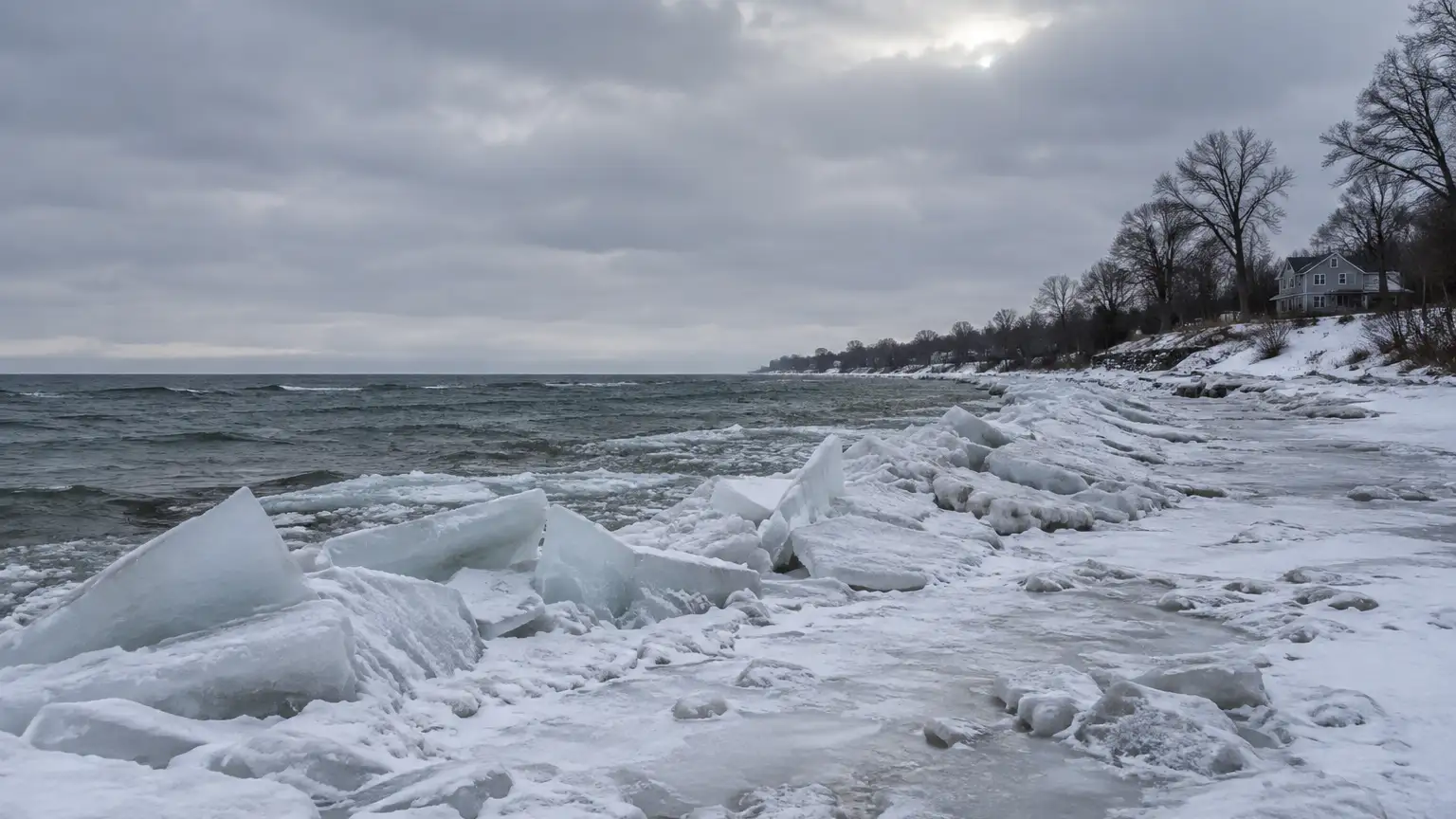
The village took its present shape in 2017 when the Town of Salem and the Village of Silver Lake merged, and it wraps Camp Lake, Silver Lake, Hooker Lake and Center Lake on glacial outwash in the Fox River watershed west of I-94. A patchwork rather than a pattern: former lake cottages on small lots near the water, ranch subdivisions from the 1990s inland, and older farm properties on private wells beyond the sewer district.
Before help arrives
- Shut the water off at the fixture or the main if you can reach it safely.
- Keep out of any room where water has reached outlets, cords, or the electrical panel.
- Lift furniture off wet carpet and move what you can to a dry floor.
- Photograph the damage and the failure point before anything is moved.
- Do not use a household vacuum to pick up standing water.
Burst pipe cleanup in Salem Lakes and the other frequent causes
Groundwater that follows the lakes
On outwash sand and gravel around these lakes the water table sits close to lake level, and it rises with a wet spring rather than lagging behind it. Basements within a few hundred feet of the shore are effectively dug toward the water, so seepage at the base of the wall and a pit that runs constantly are normal conditions here rather than signs of a defect.
Cottages that became houses one addition at a time
Much of the lakefront started as summer property and was insulated, plumbed and extended over decades. The result is supply lines run through unheated crawl areas, drains added at shallow slope, and floor levels that step down toward the lake. When something lets go, the water finds the older part of the structure first and stays under it.
Seasonal homes and the January discovery
Two thirds of the vacant housing here is seasonal or occasional use. A supply line that splits in a house nobody visits until spring runs until the meter is shut or the tank empties, and by then the loss is not the water but the weeks. This is the one failure where the damage is set by how long it took somebody to open the door.
Sump pump failure in Salem Lakes and well equipment in the basement
Outside the sewer district a basement holds the pressure tank, the pump controls and often the softener as well, all of it on the floor. A failed pressure switch or a split tank fitting puts pressurized water into the room continuously, and the same outage that stops the sump also stops the well. Both leave the low end of the house wet.
Emergency water removal in Salem Lakes and drying mixed foundations
Foundations change from street to street, and so does the work. A converted cottage may have a block basement under the original rooms and a shallow crawl under everything added later, with different air, different temperature and different drying times ten feet apart. Crawl areas need containment and their own equipment or they simply refill the rooms above with damp air.
The sequence does not change from house to house: extraction first, then air movers and dehumidifiers together, with readings logged each day until the affected materials match the dry baseline for that building. It is set out in full on the water extraction and drying in Kenosha page.
Services available in Salem Lakes
- Water Extraction & DryingStanding water removed and the structure dried under daily moisture readings.
- Basement Flood CleanupSump failures, sewer surcharge and groundwater under the slab and block walls.
- Sewage CleanupContaminated water handled with containment, removal and cleaning.
- Mold RemediationGrowth that established after water sat longer than it should have.
Mold remediation in Salem Lakes is common in cottage conversions, where a crawl area under an addition stays damp all season and nobody looks at it.
Areas covered in Salem Lakes
Providers cover Salem Lakes and the surrounding area, including Silver Lake, Camp Lake, Trevor, Wilmot, Hooker Lake, Center Lake, the Highway 83 corridor and the Fox River bottoms. ZIP codes: 53168, 53170, 53179, 53192.
Water damage restoration in Salem Lakes: questions from owners
- We are on a septic system. Does that change a backup?
- It changes the cause, not the handling. A saturated drain field in spring, a full tank or a failed pump chamber pushes waste back up the fixture closest to the floor, and the water is contaminated exactly as a municipal backup would be. Porous material it touched comes out rather than being dried, and the tank and field get inspected before the fixtures go back into use.
- Where does the sump discharge go on a lake lot?
- Far enough from the foundation that it does not come straight back, and not toward a neighbor or the lake bank. Short discharge runs on small lakefront lots are one of the reasons a pit cycles endlessly, since the water simply returns through the same soil. In winter the same short line is the one that freezes shut and leaves the pump running against a plug.
- The crawl space under the addition smells musty. Is that a water problem?
- It is a moisture problem, and usually a continuous one rather than an event. Bare soil in a crawl area releases moisture into the space all season, and the house pulls that air upward into the rooms above. Correcting it means a ground cover, drainage that keeps the space dry, and drying anything already affected before it gets sealed in.
- The cottage was closed up and a pipe broke. What happens first?
- Water off at the meter or the well, power off to the affected part of the house if it can be reached safely, then photographs before anything is moved. After weeks of running water the questions are how far it traveled and what it soaked, not how much is on the floor. Expect meters into the wall cavities and the crawl areas, and expect the floor coverings to be part of the decision.
- Will homeowners insurance cover this?
- It depends on the cause rather than the damage. Policies commonly cover sudden accidental events such as a burst supply line or a failed water heater. Groundwater through the foundation is normally excluded, and water backing up through a sewer or drain is usually covered only by a separate endorsement, which is worth checking before the next storm. Photograph everything before it is moved and keep any failed part.